Regulatory Updates Prompting Shifts in Rewards and Game Availability at Licensed British Sites
Erik Coleman · Jun 9, 2026
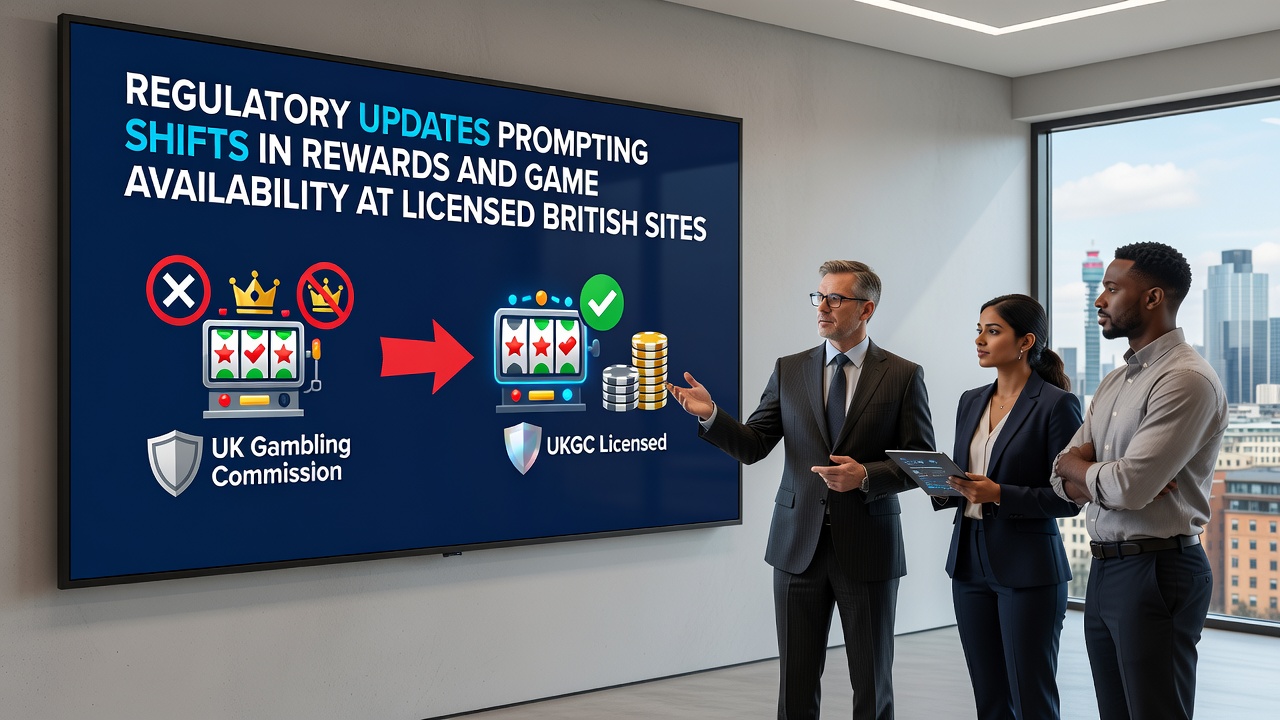
Regulatory Updates Prompting Shifts in Rewards and Game Availability at Licensed British Sites
Regulatory developments scheduled for June 2026 continue to reshape how licensed operators in Britain structure their rewards programs while also influencing which games remain accessible to players, and observers note that these adjustments stem from broader efforts to align industry practices with updated compliance standards across multiple jurisdictions.
Operators have responded by recalibrating bonus structures and loyalty schemes, since new guidelines emphasize transparency in promotional terms and place tighter parameters around wagering requirements, yet the core framework for many sites remains intact because these changes build on existing licensing conditions rather than introducing wholesale prohibitions.
Key Regulatory Developments Taking Effect in Mid-2026
Data from international monitoring bodies shows that several European and North American regulators have issued parallel guidance on player protection measures, which has prompted British sites to review their offerings in advance of the June timeline, and this coordination reflects ongoing collaboration among oversight agencies that share data on cross-border trends in digital gaming.
One study released by the National Council on Problem Gambling highlights how similar updates in other regions led to measurable shifts in bonus redemption rates, while researchers at the University of Nevada's International Gaming Institute documented comparable patterns in game catalog adjustments following the implementation of enhanced disclosure rules.
Adjustments to Rewards and Loyalty Programs
Licensed British platforms have begun phasing in modifications to welcome bonuses and ongoing promotions because the forthcoming standards require clearer communication of eligibility criteria and payout timelines, and this approach allows operators to maintain competitive positioning without disrupting established player relationships.
Figures from industry reports indicate that loyalty point accrual rates have seen incremental revisions at several major sites, whereas cashback offers now incorporate additional verification steps that align with the new emphasis on responsible engagement tracking, yet these tweaks have not eliminated rewards entirely since the regulations focus on presentation rather than outright removal.
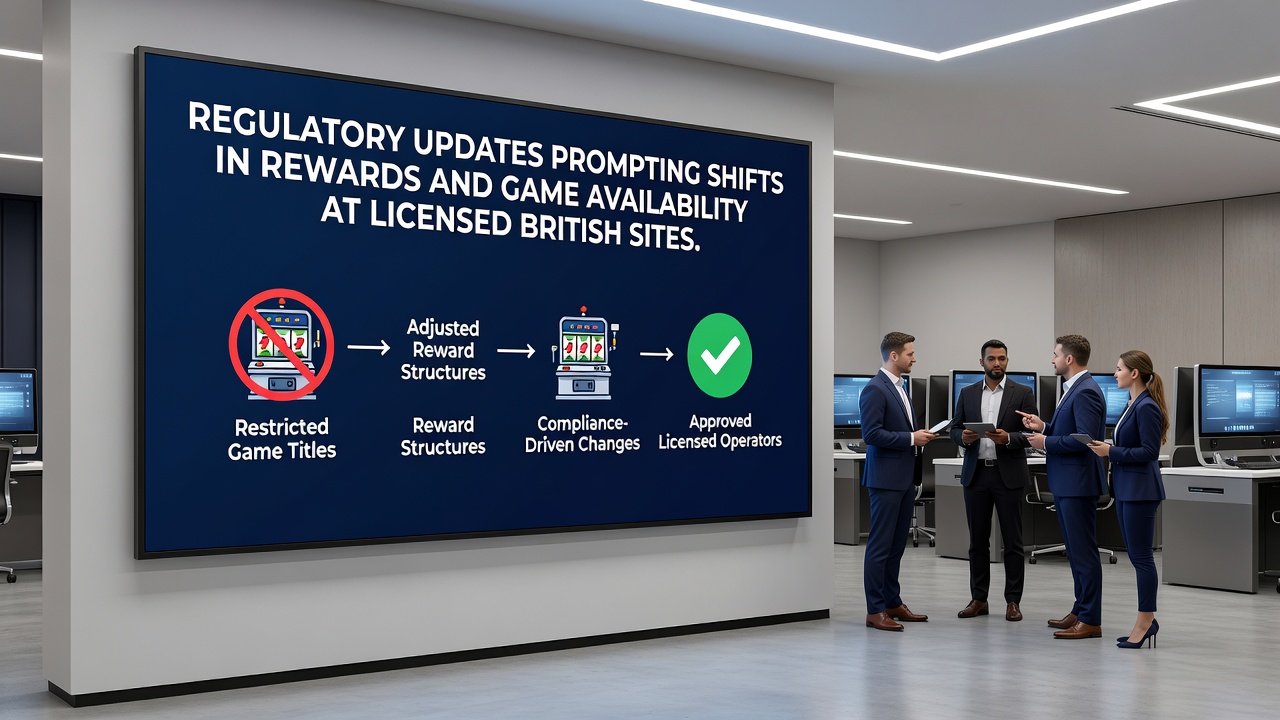
Take one operator that streamlined its tiered loyalty structure by consolidating multiple reward tiers into fewer categories, which simplified navigation for users while satisfying the call for reduced complexity in promotional materials, and similar moves appear across the sector as companies prepare for the June rollout.
Changes in Game Availability and Catalog Management
Game libraries at licensed sites have undergone selective pruning in certain categories because updated compliance checklists now require enhanced age-verification integration and real-time monitoring features for high-volatility titles, although popular staples in slots and table games continue to feature prominently since they already meet baseline technical standards.
Research indicates that operators have prioritized retaining titles with established responsible gaming tools, whereas newer or niche releases face extended review periods, and this selective availability stems directly from the need to demonstrate adherence to the evolving framework ahead of the mid-2026 deadline.
Observers note that bingo and live dealer options have experienced fewer disruptions overall, since these formats often incorporate built-in session limits that align closely with the regulatory priorities, while certain progressive jackpot networks have introduced temporary pauses to allow for system upgrades that ensure full compatibility with the revised reporting requirements.
Industry Responses and Player Experience Implications
Operators continue to communicate these transitions through in-app notifications and updated terms pages, which keeps players informed without creating abrupt interruptions, and the measured pace of rollout reflects lessons drawn from earlier regulatory cycles in other markets where abrupt catalog changes led to temporary engagement dips.
Evidence from compliance audits suggests that sites investing in modular game platforms have adapted more fluidly, because such architectures permit quick toggling of availability based on jurisdiction-specific rules, whereas legacy systems require more extensive redevelopment cycles.
Conclusion
The regulatory landscape evolving toward June 2026 underscores a pattern of incremental refinement rather than radical overhaul, and licensed British sites demonstrate ongoing capacity to balance compliance demands with sustained player access to core features, while data from cross-regional sources continues to inform these operational adjustments across the sector.