Polling Data Highlights Public Backing for Machine Games Duty Adjustments on Adult Gaming Centres
Clara Peters · Jul 2, 2026

Polling Data Highlights Public Backing for Machine Games Duty Adjustments on Adult Gaming Centres
The Social Market Foundation released polling figures indicating that 43% of the public supports a Labour government proposal to double Machine Games Duty on adult gaming centres and casinos. This adjustment would move the rate from the current 20% to 40%, and analysts project it could add between £275 million and £458 million each year to existing collections that already total £600 million from Category B £2 slot machines. The measure would leave lower-stake machines located in pubs untouched, creating a targeted approach to revenue collection from these specific venues.Details of the Proposed Duty Change
According to the figures released by the thinktank, the increase applies specifically to machines found in adult gaming centres often referred to as slot sheds along with full casinos. Data shows the current duty framework generates substantial returns, yet the proposed doubling focuses on higher-volume operations in these locations. Revenue estimates vary based on player volume and machine utilisation rates, with the lower end of the projection at £275 million and the upper end reaching £458 million annually once fully implemented.
Observers note that the change aligns with ongoing discussions around the 2026 regulatory framework for gambling, where tax adjustments form one component of broader policy shifts expected to take effect in the coming months. July 2026 marks a key period for further announcements on licensing conditions and compliance standards that could accompany these fiscal measures.Connection to Regional Policy Positions
Andy Burnham has previously highlighted concerns about adult gaming centres and their placement in areas with higher vulnerability indicators. The polling ties directly into these comments by presenting public attitudes toward tax adjustments as one mechanism for addressing such patterns. Research from the SMF polling exercise captures responses across demographic groups, showing consistent levels of support for the duty increase when framed as applying to adult-only environments rather than community pubs.
Those who have tracked similar fiscal proposals point out that Category B machines in AGCs represent a distinct segment from the lower-stake options found elsewhere. This distinction allows the duty adjustment to spare smaller venues while focusing collection efforts on larger operations that account for significant portions of the existing £600 million baseline.
Projected Revenue and Implementation Factors
Figures reveal that the additional revenue range of £275 million to £458 million would supplement current yields without requiring changes to machine numbers or operating hours. Implementation would occur through existing tax collection systems managed by HM Revenue and Customs, building on the infrastructure already in place for the 20% rate. Data indicates that adult gaming centres and casinos together host the majority of Category B £2 machines affected by the proposal.
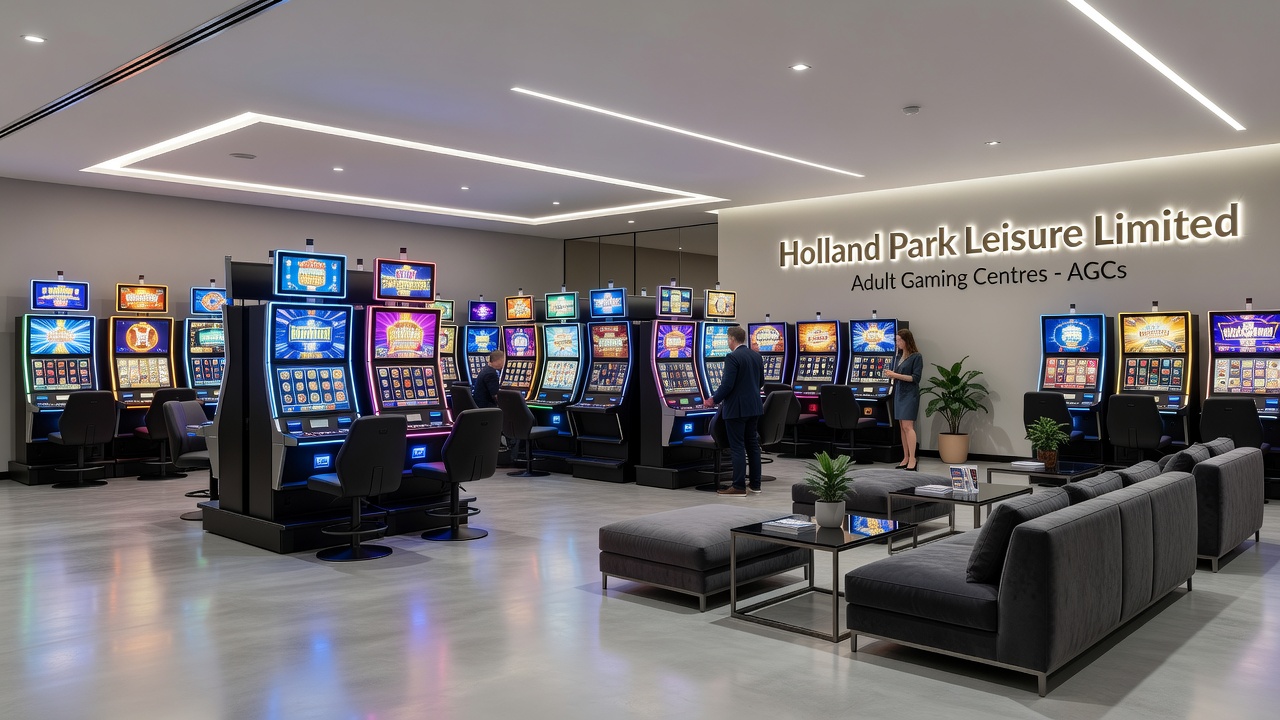
What's interesting here is how the polling separates attitudes toward different venue types, with stronger support emerging when questions specify adult gaming centres and casinos. The SMF analysis connects these attitudes to potential policy directions under current government planning for 2026, where tax and regulatory elements move forward together.
Broader Context Within 2026 Reforms
The proposal surfaces amid preparations for regulatory updates scheduled throughout 2026. These updates encompass licensing reviews, player protection standards, and tax alignment measures that together aim to modernise the framework governing land-based gambling operations. The Machine Games Duty adjustment represents one fiscal element within this wider set of changes, with the polling providing an indication of where public sentiment stands on this particular aspect.
Evidence from the released data shows that support levels hold steady even when respondents consider the revenue-generating potential alongside the venue-specific targeting. Adult gaming centres operating clusters of Category B machines would see the most direct impact, while the exclusion of pub-based lower-stake machines maintains a clear boundary in the policy design.
Conclusion
The SMF polling and associated revenue projections establish a clear snapshot of current public attitudes toward this specific tax adjustment. With the 2026 regulatory timeline approaching, the figures offer one data point for policymakers evaluating options around Machine Games Duty rates on adult gaming centres and casinos. The distinction between venue types remains central to how the proposal structures its application and projected outcomes.