Payment Pathways Connecting Sports Wagers to Slot Bonuses and Bingo Rewards Within Licensed Gaming Environments
Gisela Friedrich · Oct 24, 2026
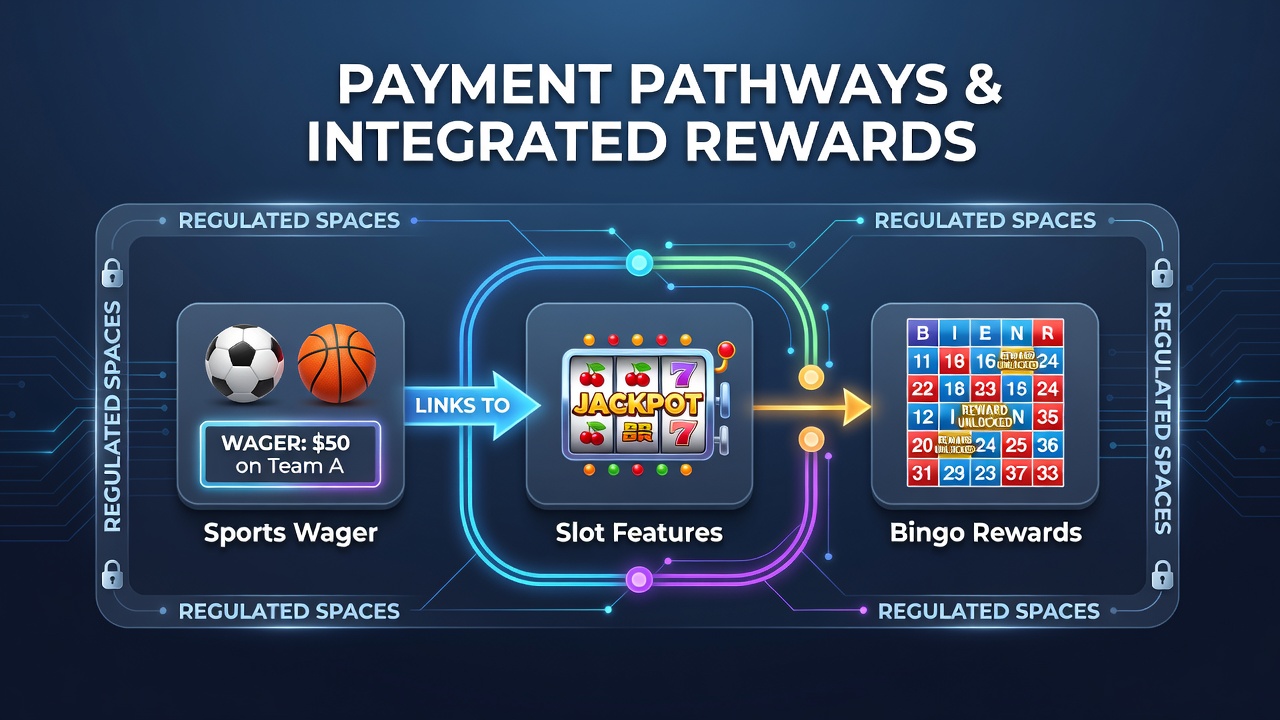
Payment Pathways Connecting Sports Wagers to Slot Bonuses and Bingo Rewards Within Licensed Gaming Environments
Regulated gaming platforms maintain payment pathways that allow funds deposited for sports wagers to flow directly into slot features and bingo reward structures, creating unified account balances across product types while operators track compliance through centralized ledgers. These systems rely on shared wallets where a single deposit can fund multiple verticals without requiring separate transactions for each game category.
Data from various licensing bodies shows that such integrations reduce friction for players who move between sports betting and casino-style offerings, and figures reveal that operators in multiple jurisdictions process cross-product transfers on a daily basis. In October 2026 several markets updated their technical standards to require clearer audit trails for these transfers, ensuring that bonus funds originating from sports wagers remain distinguishable when applied to slot mechanics or bingo prize pools.
Shared Wallet Architecture and Cross-Product Transfers
Operators build shared wallet systems that accept deposits tagged for sports wagers yet permit immediate allocation to slot features such as buy-a-bonus rounds or progressive jackpots, while the same balance can purchase bingo tickets or claim reward multipliers. This architecture uses API connections between sportsbook engines and casino platforms so that a player who places a football accumulator can later apply remaining funds to a slot reel without an additional deposit step.
Industry reports indicate that these pathways operate under strict segregation rules that prevent commingling of player funds with operator reserves, and regulators in North America and Europe require real-time reconciliation reports to verify that each transfer maintains the original deposit source for tax and anti-money-laundering purposes. Observers note that the technical standards released in late 2025 emphasized encrypted transaction logs that record every movement from sports betting ledgers to slot or bingo modules.
Bonus Conversion Rules Across Vertical Boundaries
Many licensed operators apply bonus conversion protocols that allow promotional credits earned through sports wagers to unlock slot features such as free spins or enhanced multipliers, and the same credits can sometimes contribute toward bingo reward tiers. These rules typically include wagering requirements that differ depending on the originating product, so a sports wager bonus may carry a lower play-through obligation when moved to bingo than when applied to high-volatility slots.
Research from academic centers studying gambling behavior indicates that clear disclosure of these conversion rates helps players understand how funds transition between categories, and data collected across multiple sites shows that transparent pathways correlate with higher retention rates in multi-product environments. As of October 2026, several jurisdictions outside the United Kingdom have introduced mandatory pop-up notices that display remaining wagering requirements before any transfer occurs between sports and casino balances.
Regulatory Oversight from Diverse Licensing Authorities
Licensing bodies such as the Nevada Gaming Control Board enforce technical requirements that track payment flows from sports books into slot and bingo systems, requiring operators to maintain separate liability ledgers for each vertical even when players use a single balance. Similar standards appear in Australian state regulations administered through the Australian Communications and Media Authority, which mandates that cross-product transfers remain visible in audit logs for at least seven years.
These oversight mechanisms ensure that reward structures tied to bingo do not inadvertently receive funds from sports wagers that carry different tax treatments, and they also protect against bonus abuse where players might attempt to cycle credits across categories to evade play-through rules. Industry associations including the European Gaming and Betting Association publish periodic guidance that helps operators align their payment pathway designs with evolving multi-jurisdictional expectations.
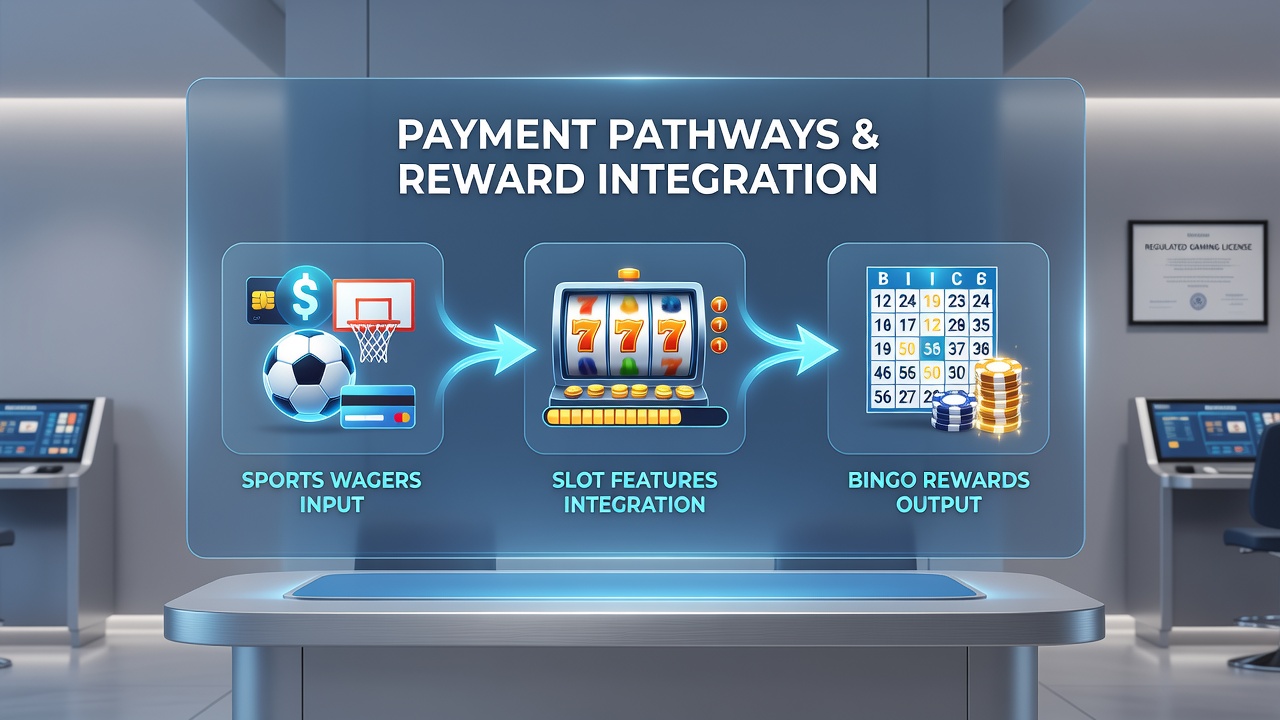
Player Experience and Transaction Flow Examples
Consider a player who deposits to place a tennis wager and later decides to explore slot features; the platform permits an instant internal transfer that preserves the deposit timestamp for compliance records while unlocking a slot bonus round funded from the same balance. The same player can then allocate a portion of winnings to bingo cards, where reward multipliers apply according to the operator's published conversion table.
Studies conducted by university research teams have examined how these seamless transitions affect session length, and results indicate that players who move funds across verticals within one account tend to complete more game rounds than those who maintain separate balances. Operators must still display clear balance breakdowns so that any sports-specific restrictions remain visible when funds reach slot or bingo interfaces.
Security Measures and Compliance Logging
Payment pathways incorporate multi-factor authentication at each transfer point, and transaction logs record the originating product, destination product, amount, timestamp, and player identifier. These logs feed into automated monitoring systems that flag unusual patterns, such as rapid cycling between sports wagers and high-payout slot features, which may trigger manual review under responsible gambling protocols.
Regulators require that all logs remain accessible for independent audits, and operators in multiple regions now integrate blockchain-based timestamping to create immutable records of every cross-product movement. Such measures help maintain integrity across the entire ecosystem while supporting the ability of players to shift between sports, slots, and bingo within a single regulated account.
Conclusion
Payment pathways that link sports wagers to slot features and bingo rewards operate through shared wallets, documented conversion rules, and rigorous logging required by licensing authorities in various regions. These systems allow players to move balances across product types while preserving compliance data, and updates scheduled for October 2026 continue to refine the technical standards that govern such integrations. The architecture supports both operational efficiency and regulatory transparency without altering the fundamental separation of funds required in licensed environments.