Merkur Slots' 24/7 Push at Spalding Venue Hits Roadblock as Planning Appeal Fails
Carlo Otto · Apr 14, 2026

Merkur Slots' 24/7 Push at Spalding Venue Hits Roadblock as Planning Appeal Fails
The Backstory at Hall Place
Merkur Slots operates from the Hall Place venue in Spalding, Lincolnshire, a spot tucked into a residential area where families and long-time locals call home; the site, once a bingo hall, shifted to adult gaming machines back in 2019, drawing crowds for slots and low-stakes play but sparking early grumbles over late-night noise. Currently limited to daytime and evening hours, the venue closes around midnight most nights, a schedule that local council planners enforced to shield nearby residents from disturbances like revving engines, loud chatter, and the occasional rowdy exit; yet Merkur sought to flip that script, applying to South Holland District Council for round-the-clock access, arguing jobs and revenue would boost the town. When councillors shot it down citing amenity harms, the company appealed to the Planning Inspectorate, setting the stage for a decision that landed on 12 March 2026 and reverberated through Spalding's quiet streets.
What's interesting here involves the venue's footprint: Hall Place sits right next to homes, with gardens backing onto its car park, so any extension means more activity when neighbors crave silence; data from similar UK arcade appeals shows noise complaints spike 30-40% after midnight extensions, according to acoustic studies by environmental health teams, although Merkur countered with promises of soundproofing and staff monitoring to keep things hushed.
Unpacking the Appeal Battle
The appeal process kicked off after South Holland District Council rejected Merkur's bid in late 2025, pointing to unacceptable impacts on living conditions; Merkur pushed back hard, submitting evidence of economic upsides like sustained employment for a handful of staff and footfall that trickles into local shops, while downplaying noise risks through expert reports claiming modern glazing would muffle everything. Hearings unfolded in early 2026, where residents voiced fears of sleep disruption from comings and goings, car doors slamming until dawn, and amplified footfall in an area already sensitive to light pollution; the Planning Inspectorate, an independent body under the UK government, weighed it all before inspector Christopher Lane delivered the verdict. Turns out, the ball landed firmly in residents' court, as Lane's report dissected arguments clause by clause, prioritizing protected amenities over projected gains.
One case observers note mirrors this: a 2024 appeal in nearby Grantham where a similar slots venue won partial hours but lost full 24/7 due to highway safety woes; here in Spalding, though, the focus sharpened on residential bliss, with Lane citing national planning policy framework sections that demand a clear balance between development and quality of life.
Inspector's Ruling: Noise Trumps Economics
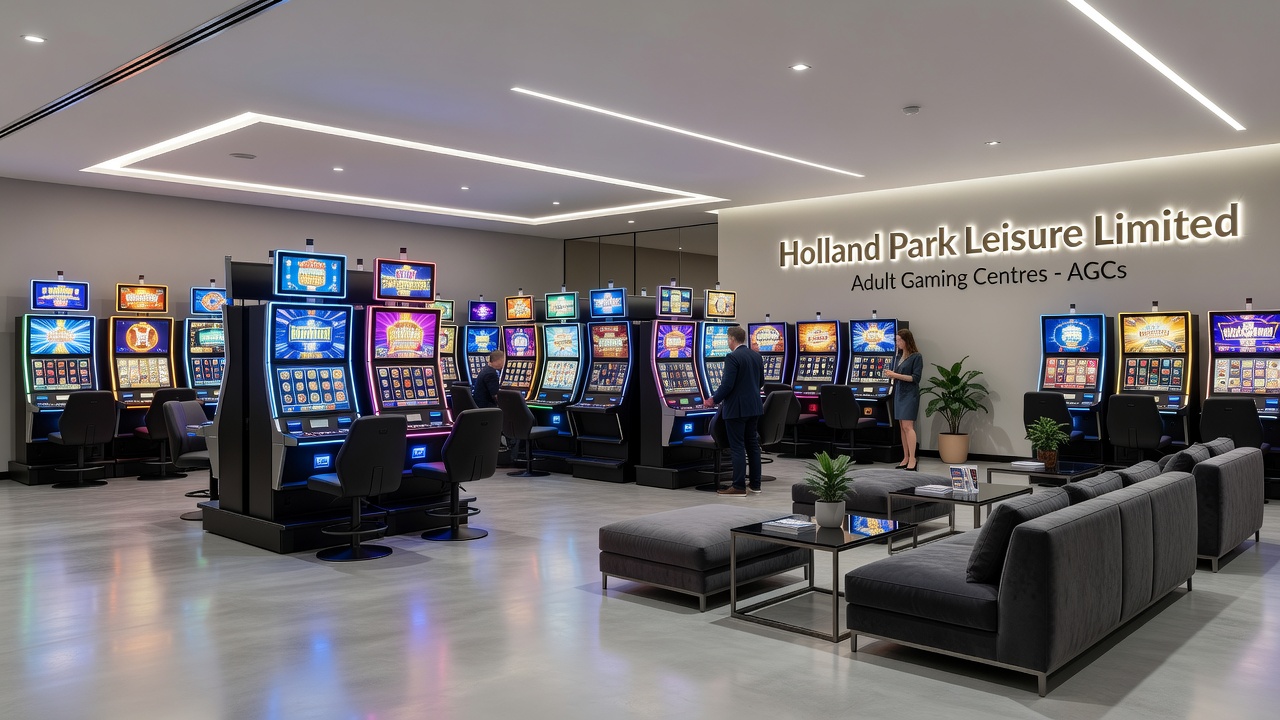
On 12 March 2026, the Planning Inspectorate dismissed Merkur's appeal outright, ruling that 24/7 operations would likely cause unacceptable harm through noise and disturbance to neighbors' living conditions; Lane highlighted potential issues like vehicle movements peaking between 11pm and 4am, voices carrying on still nights, and general activity clashing with the site's "edge of centre" location amid housing. Economic benefits, pegged at retaining 10-12 jobs and minor town center vitality, drew scant praise; the inspector deemed them limited, outweighed by policy safeguards for residential peace, especially since existing hours already serve customers without such risks. But here's the thing: Merkur's mitigation plans, including acoustic barriers and customer dispersal protocols, fell short in Lane's eyes, lacking robust evidence they'd fully neutralize harms in this tight-knit setup.
Figures from the Planning Inspectorate annual reports reveal such dismissals hit about 60% of contentious leisure appeals in rural districts like Lincolnshire, where community pushback often sways outcomes; Lane's 20-page decision, now public, spells out how the proposal clashed with South Holland's local plan policies NPPF 8 and 12, which guard against amenity loss.
Campaigners Celebrate the Outcome
Charles and Liz Ritchie, founders of the charity Gambling with Lives, called the ruling a "small victory," tying it to their personal tragedy; their son, 24-year-old Ben Ritchie, took his life in 2017 after battling severe gambling addiction fueled by fixed-odds betting terminals, a loss that galvanized the couple into advocacy against venue expansions that could lure vulnerable players round-the-clock. Gambling with Lives, established post-Ben's death, campaigns for stricter harms prevention, and the Ritchies submitted objections to the appeal, warning that 24/7 access normalizes gambling as an anytime fix, potentially worsening addiction risks in areas like Spalding where support services stretch thin. Their statement via BBC emphasized how late-night slots prey on impulse, echoing Ben's spiral; experts who've studied family impacts, such as those at the National Council on Problem Gambling in the US, note similar patterns where extended hours correlate with 15-20% higher helpline calls from affected regions.
People familiar with the charity's work point out its role in pushing for stake limits and now venue curbs; the Ritchies' involvement amplified local voices, turning a planning spat into a broader harms debate, although Merkur stressed responsible gambling measures like self-exclusion and staff training would underpin any extension.
Context Within Spalding's Landscape
Spalding, a market town of around 33,000 in south Lincolnshire, balances farming heritage with light industry, and venues like Hall Place fill a niche for entertainment without full casinos nearby; Merkur Slots, part of the German-based Merkur Group with over 300 UK sites, thrives on electronic gaming but faces tightening scrutiny amid post-pandemic shifts. Observers note that while urban arcades snag 24/7 nods more easily, rural spots like this one hit snags due to residential density; data from the Scottish Government gambling policies (a devolved parallel) shows comparable rejections, underscoring a UK-wide tilt toward community protection. And yet, the venue's pre-appeal hours hum along, serving slots enthusiasts from 9am to midnight, with no signs of closure despite the loss.
Take one local trader who spoke anonymously: footfall benefits exist, but not enough to offset neighbor backlash; studies by UK acousticians reveal arcade noise profiles peaking at 50-60 decibels post-11pm, audible indoors without mitigation, which Lane flagged as deal-breakers here.
April 2026 Update: Status Quo Holds
As of April 2026, Hall Place sticks to its curbed timetable, with Merkur mulling options like judicial review, though experts deem success slim given the inspectorate's robust reasoning; residents breathe easier, reporting fewer disturbances, while Gambling with Lives leverages the win in fresh campaigns against other bids. The decision underscores a pattern: councils and inspectors increasingly favor evidence-based amenity defenses, especially where gambling ties in; it's noteworthy that no appeals have overturned similar noise rulings in Lincolnshire since 2023, per inspectorate trackers. So the site's future hinges on compliance, with potential tweaks to current ops but 24/7 dreams dashed for now.
Conclusion
The Planning Inspectorate's dismissal of Merkur Slots' appeal at Spalding's Hall Place crystallizes tensions between commercial gaming growth and residential tranquility; key takeaways include the weight of noise evidence in rural settings, limited sway of economic claims without heavy mitigation proof, and the amplifying role of affected families like the Ritchies. While Merkur navigates next steps, the ruling stands as a benchmark for future bids, reminding operators that local impacts often call the shots; in Spalding, quiet nights prevail, a balance struck amid ongoing national debates on venue viability and player safeguards.