Hybrid Gambling Platforms: Blending Sports Betting Thrills with Slot Machine Spins
Carlo Otto · Apr 8, 2026
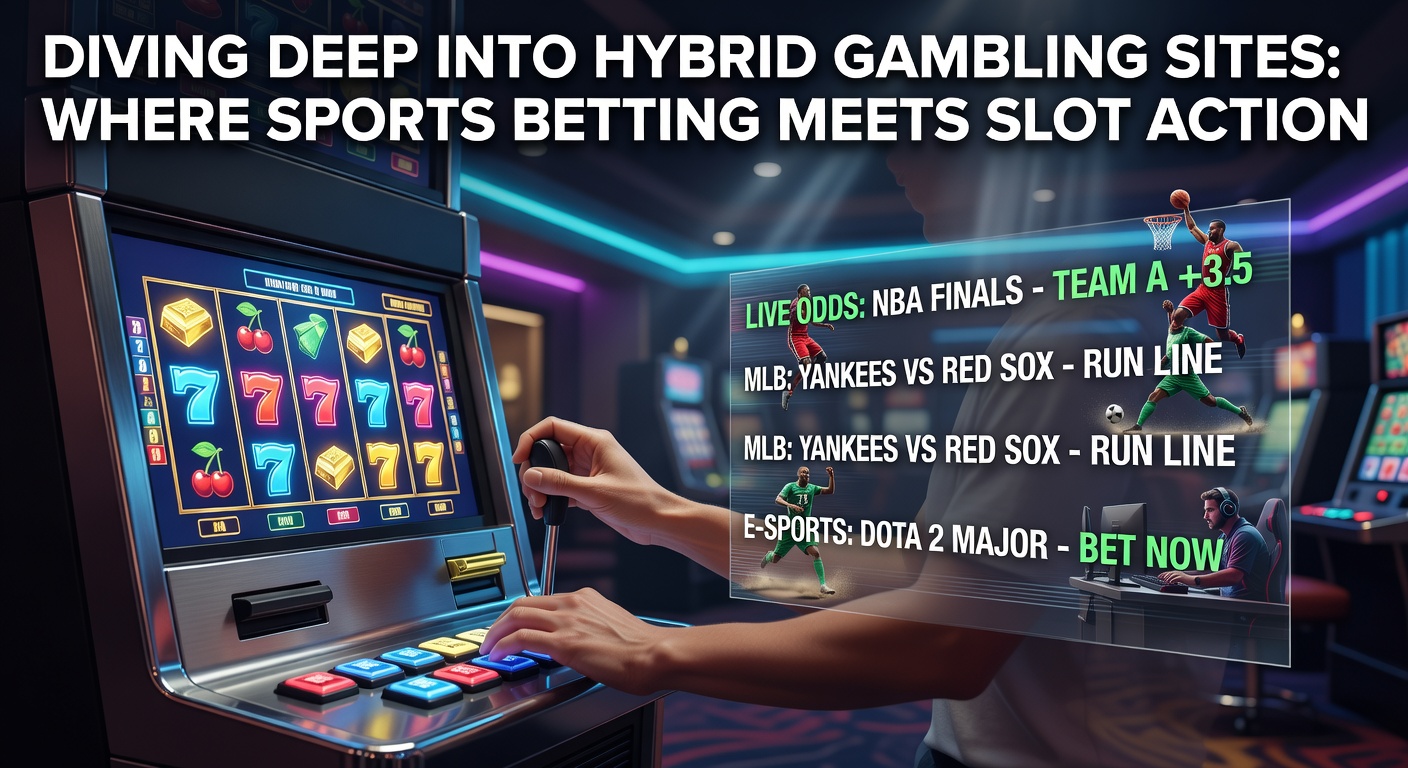
Hybrid Gambling Platforms: Blending Sports Betting Thrills with Slot Machine Spins
Unpacking the Hybrid Model in Online Gambling
Hybrid gambling platforms combine sports betting and casino games like slots into single destinations, offering users seamless access to diverse wagering options without switching sites; this setup has gained traction as players seek convenience in one-stop entertainment hubs. Data from industry reports indicates that such sites now account for a significant portion of online gambling traffic, with growth accelerating due to mobile optimization and integrated wallets. Experts observe how these platforms cater to varied interests, allowing bettors to pivot from Premier League matches to progressive jackpot slots in moments.
What's interesting is the way hybrid sites leverage shared technology stacks, enabling real-time odds updates alongside dynamic slot mechanics; players benefit from unified accounts that track bonuses across categories. Turns out, adoption rates have surged in regions like Europe and North America, where regulatory shifts encourage multi-product offerings.
Evolution from Separate Silos to Unified Experiences
Online gambling began with distinct silos—sportsbooks handling bets on events like NBA finals, while casinos focused on slots and table games—but consolidation emerged in the early 2010s as operators merged portfolios to boost retention. According to a American Gaming Association report, U.S. states legalizing sports betting post-2018 saw hybrid models proliferate, blending them with existing casino licenses. In parallel, European markets adapted quickly, with platforms evolving through mergers and tech upgrades.
One notable shift happened around 2020, when live dealer integrations and in-play betting fused with slot volatility features; researchers at the University of Nevada's gaming studies program found that user engagement doubled on sites offering both. And while early hybrids faced technical hurdles like latency in cross-game syncing, advancements in cloud computing smoothed those edges.
Key Features Powering Hybrid Appeal
At the core of these platforms lie shared promotional engines, where sports betting free bets convert to slot spins, creating fluid reward systems; loyalty programs often tier up based on combined activity, unlocking perks like enhanced odds or free plays. Observers note how live streaming of sports events pairs with slot tournaments, keeping users hooked through multi-hour sessions.
Security protocols unify across verticals too, with biometric logins and AI-driven fraud detection safeguarding funds whether they're wagered on tennis futures or themed reels. Data shows transaction speeds averaging under 10 seconds for hybrid wallets, a boon for high-volume players juggling parlays and paylines.
- Integrated cash-out options for bets and slots alike;
- Cross-promotions, such as wager requirements fulfilled via either category;
- Mobile-first designs with push notifications for odds changes and jackpot alerts.
People who've explored these sites often discover personalized dashboards recommending slots based on betting history, turning data into tailored experiences.

Technological Backbone Driving the Fusion
Behind the scenes, APIs from providers like SBTech and Evolution Gaming stitch sports odds feeds to slot RNGs, ensuring fairness certified by labs such as eCOGRA; blockchain elements now appear in some hybrids for provably fair outcomes on both fronts. Bandwidth demands have pushed edge computing adoption, minimizing delays during peak events like Super Bowl weekends.
But here's the thing: AI personalization engines analyze patterns, suggesting a low-volatility slot after a string of conservative bets; studies from Australia's NSW Responsible Gambling Fund reveal how such tech boosts responsible play by capping session times across games. Machine learning also flags anomaly bets, protecting platforms and players alike.
Regulatory Landscapes Shaping Hybrid Growth
Regulators worldwide adapt to hybrids by mandating segregated accounts and transparent RTP disclosures for slots alongside betting vigs; in Canada, provincial bodies like Ontario's Alcohol and Gaming Commission enforce unified licensing for multi-products. Figures from Ontario's 2023 reports indicate hybrid revenues outpacing pure sportsbooks by 35%, thanks to compliant frameworks.
Europe's Malta Gaming Authority oversees many international hybrids, requiring geo-fencing to align with local laws; meanwhile, U.S. state-by-state approvals, such as New Jersey's, blend federal PASPA repeals with casino expansions. This patchwork fosters innovation while imposing age verification and self-exclusion tools that span all offerings.
Experts have observed stricter ad rules in places like Sweden, where hybrid promotions must clarify risks across verticals; compliance tech, including KYC automation, keeps operators ahead of audits.
Player Behaviors and Market Data Insights
Surveys show 62% of online gamblers prefer hybrids for variety, per a 2024 H2 Gambling Capital analysis; session lengths extend by 40% when sports and slots mix, as users alternate to manage bankrolls. Case in point: during March Madness 2025, one platform reported slot spins spiking 150% post-bet resolutions.
Demographics skew younger, with millennials favoring props bets intertwined with mobile slots; women, traditionally slot enthusiasts, now comprise 28% of sports bettors on hybrids. Retention metrics shine, with 90-day churn dropping 22% versus single-vertical sites.
Yet challenges persist, like balancing high-frequency slot play with slower sports cycles; operators counter with hybrid leaderboards pitting bettors against slot high-rollers.
Looking Ahead: Trends Through 2026 and Beyond
By April 2026, projections from industry analysts point to VR integrations merging virtual stadiums with immersive slot worlds, potentially tripling engagement; metaverse pilots already test avatar-based betting parlors adjacent to casino floors. Crypto adoption accelerates too, with hybrids accepting stablecoins for instant cross-border transfers.
Regulatory harmonization looms, especially in the EU's push for unified standards; data privacy laws like GDPR evolve to cover AI-driven hybrid recommendations. Sustainability efforts emerge, with green data centers powering low-energy slots and odds engines.
One study from the University of Sydney's gambling research center predicts market share for hybrids hitting 55% globally by 2027, driven by 5G rollout enabling lag-free live action.
Conclusion
Hybrid gambling platforms redefine online wagering by merging sports betting precision with slot excitement, backed by tech that unifies experiences while navigating diverse regulations; players gain versatility, operators see retention lifts, and markets expand amid innovation. As April 2026 approaches with VR horizons and crypto streams, these sites stand poised to dominate, offering balanced thrills in an ever-connected world. Observers agree: the fusion isn't just convenient—it's the new standard where bets and spins coexist seamlessly.