Emerging Bingo Formats Capturing Attention on UK Platforms
Clara Peters · Aug 6, 2026
Emerging Bingo Formats Capturing Attention on UK Platforms
UK online platforms continue to expand their offerings with bingo variants that move beyond the standard 90-ball and 75-ball formats, and data from industry reports shows steady uptake in these alternatives throughout 2025 and into August 2026. Observers note that operators introduce these options to meet player preferences for quicker sessions or more intricate patterns, while participation metrics indicate consistent engagement across multiple sites.
80-Ball Bingo and Its Structured Play
80-ball bingo operates on a 4x4 grid where participants mark numbers drawn from a pool of 1 to 80, and the game emphasizes specific winning patterns such as lines, corners, or full houses that require strategic attention. Platforms integrate this variant because it combines elements of speed with pattern recognition, and figures from European gaming associations reveal that sessions typically last between five and ten minutes, allowing for higher volume of play in a single sitting. Those who have tracked user behavior report that 80-ball rooms often feature themed interfaces that adjust prize structures based on real-time participation levels.
30-Ball Speed Variants and Rapid Rounds
30-ball bingo reduces the number pool to just thirty digits on a compact 3x3 grid, which produces rounds that conclude in under two minutes and appeals to users seeking immediate results. Research from academic studies on digital entertainment trends indicates that this format thrives on mobile interfaces where quick loading times support frequent restarts, and operators adjust draw speeds accordingly to maintain flow. Data shows increased activity during evening hours when shorter commitments fit into fragmented schedules, while bonus multipliers attached to consecutive wins encourage continued participation without extending overall session length.
Pattern-Based Adaptations and Customization Options
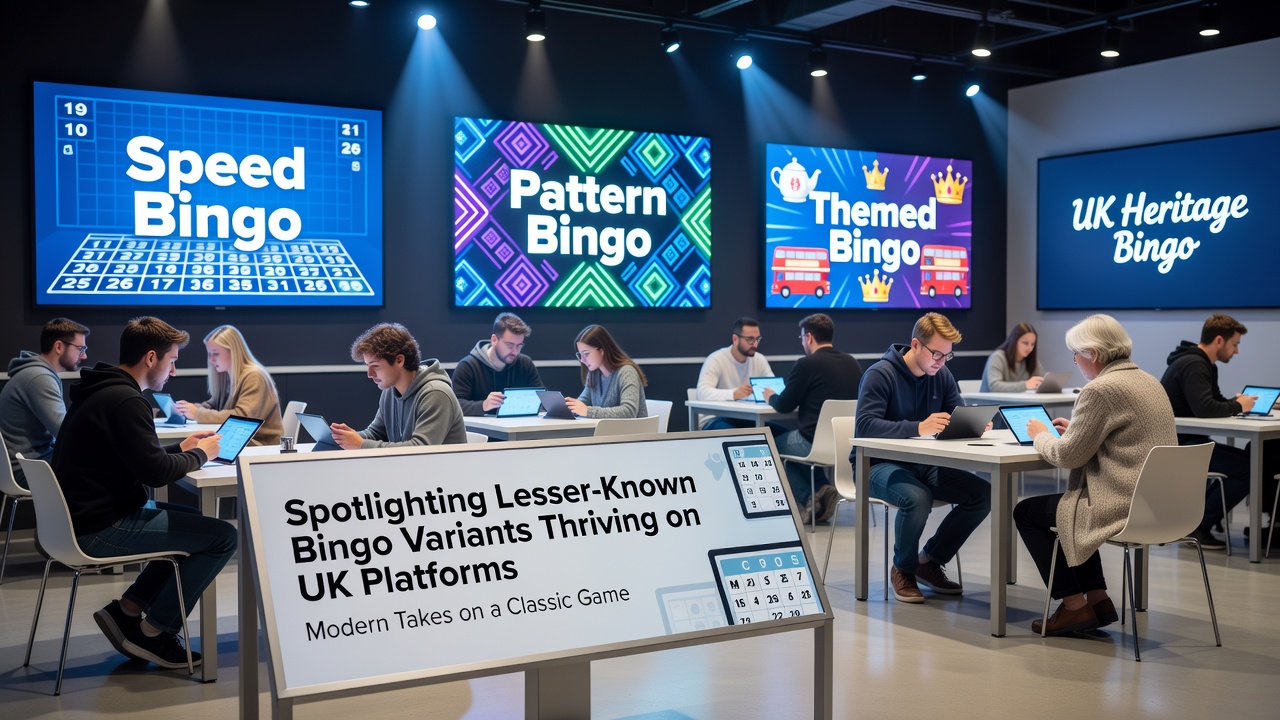
Pattern bingo allows players to select from dozens of shapes including diamonds, arrows, and hourglasses that must be completed for a win, and this flexibility distinguishes the variant from fixed-line formats. Industry organizations such as those tracking North American gaming markets have documented how platforms provide preview tools that highlight potential patterns before each round begins, which reduces confusion and supports broader accessibility. As of August 2026, updates to these systems include dynamic pattern rotation that changes daily, and participation logs demonstrate sustained interest when operators rotate themes tied to seasonal events or popular media properties.
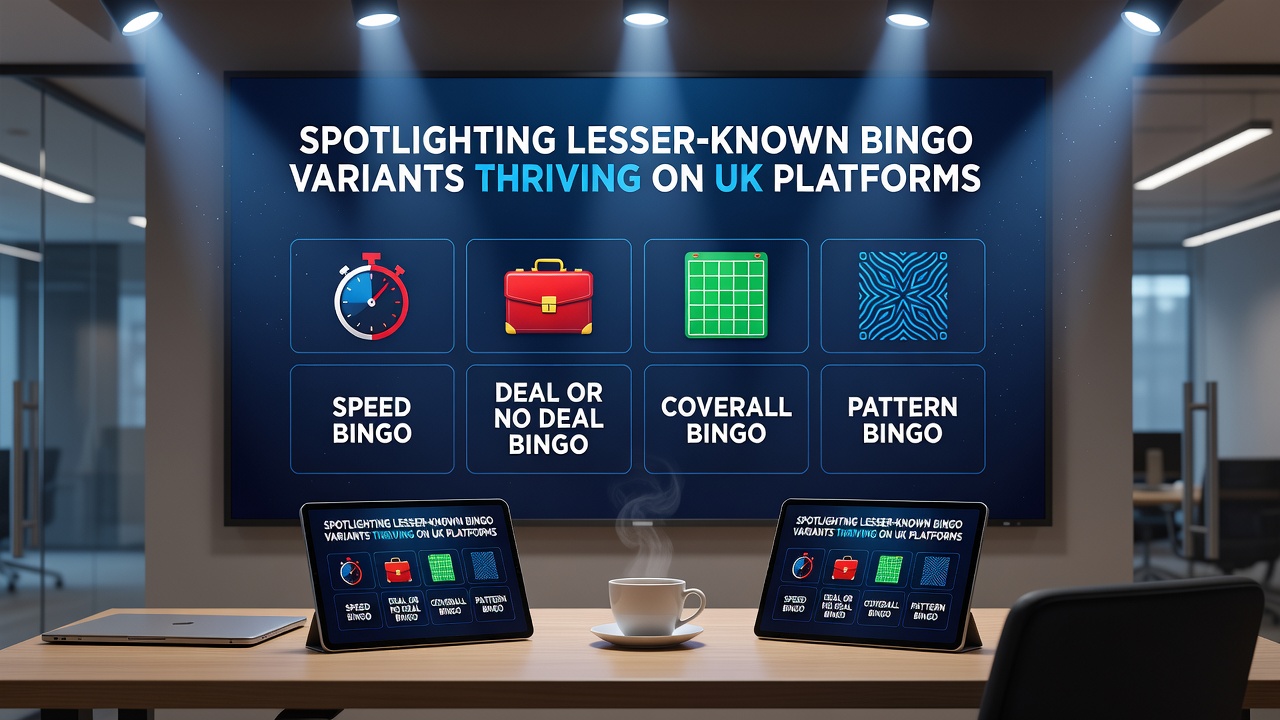
Hybrid formats that blend bingo mechanics with reel-based elements also appear on several UK sites, where matched numbers trigger slot-style bonuses that add layers to the core experience. Observers point out that these combinations maintain the social chat features common in traditional bingo while introducing visual variety that keeps attention during longer draws. Reports compiled by research institutions in Australia highlight similar growth patterns in hybrid games, noting that average spend per user remains stable when prize pools scale with collective participation.
Community and Tournament Structures
Many platforms organize tournaments around these lesser-known variants where players accumulate points across multiple rounds, and leaderboard positions determine additional rewards distributed at the end of each event. This structure fosters repeat visits because participants track progress over days or weeks rather than isolated sessions, and statistics from international gaming bodies indicate higher retention rates compared to standalone games. Operators schedule these events during peak periods, adjusting entry thresholds to accommodate both casual and dedicated users without disrupting regular room availability.
Technical Integration and Accessibility Features
Developers incorporate adaptive interfaces that scale grid sizes and pattern complexity based on device type, ensuring consistent performance across desktop and mobile environments. Voice narration options and color contrast adjustments appear in several implementations, which address varying player needs while complying with broader digital accessibility standards. Figures released by Canadian regulatory analyses show that sites investing in these features experience measurable increases in session duration, particularly among users who return to the same variant repeatedly.
Conclusion
Lesser-known bingo variants continue to establish themselves on UK platforms through targeted design choices that emphasize pace, pattern variety, and community elements, and ongoing data collection from multiple regions confirms their role in diversifying available options. As platforms refine these formats with new features and scheduling approaches, participation patterns observed through August 2026 suggest they will remain integral to the overall bingo ecosystem.