Demographic Shifts Among Participants in Britain's Integrated Wagering and Gaming Platforms
Harper Berger · Jun 13, 2026
Demographic Shifts Among Participants in Britain's Integrated Wagering and Gaming Platforms
Britain's integrated wagering and gaming platforms have drawn participants from increasingly varied backgrounds in recent years, and observers note clear patterns emerging in who engages with these combined services for sports betting, slots, and live casino options. Data collected through industry monitoring shows participation rates climbing among certain age brackets while others stabilize, with mobile access playing a central role in these movements. Researchers tracking user registrations across major operators report that the average participant profile has broadened since 2022, incorporating more individuals from suburban areas and different income levels.
Age Distribution Trends
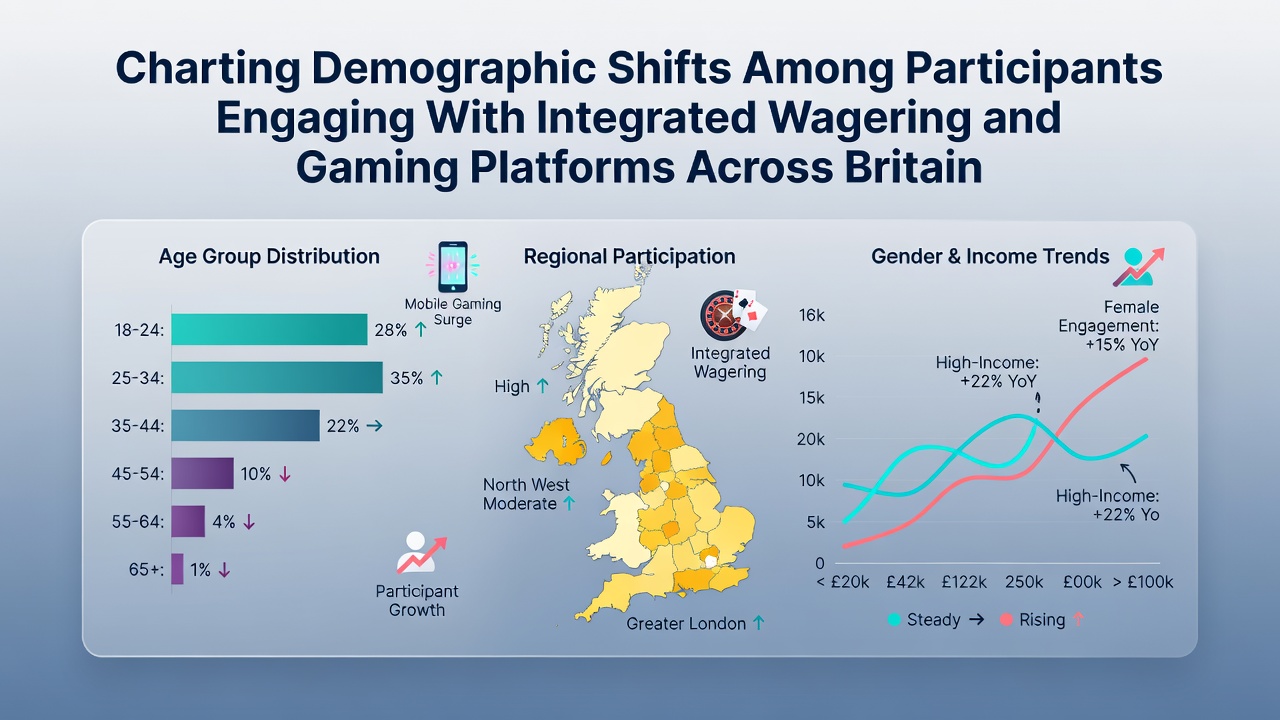
Studies reveal a steady rise in users aged 25 to 34 who favor platforms offering seamless switches between betting markets and casino-style games, whereas those over 55 tend to stick with traditional sports wagering alone. Figures from multiple operator datasets indicate this younger cohort accounts for nearly 40 percent of new sign-ups in the first half of 2026, driven largely by app-based features that combine loyalty rewards wth live event betting. In contrast, participation among 18 to 24 year olds has grown more slowly since stricter age verification rules took effect, although their overall numbers remain significant on integrated sites that include bingo and virtual sports.
What's notable is how these age shifts align with broader digital habits, because users in the 30s and 40s often discover these platforms through social media promotions that highlight integrated rewards systems rather than standalone casino play. Experts tracking these movements point to increased smartphone penetration in Britain as a key driver, allowing older millennials to engage during commutes or evenings without separate apps for each activity type.
Gender Participation Patterns
Women represent a growing segment of participants on these integrated platforms, with data showing their share of active accounts rising from around 28 percent in 2021 to over 35 percent by June 2026. This change coincides with the addition of bingo rooms and casual slot titles that appeal across genders, while sports betting sections continue to draw more male users. Analysts examining registration logs find that female participants often start with reward-based games before exploring betting markets, creating longer session times on platforms that bundle multiple entertainment options.
One study from academic researchers highlighted similar patterns in other markets, and comparable findings appear in reports by the Australian Institute of Family Studies which examined gender dynamics in combined gaming environments. British platforms have adapted interfaces to support this diversity, incorporating customizable notifications that help retain users who balance family schedules with occasional play.
Socioeconomic and Regional Variations
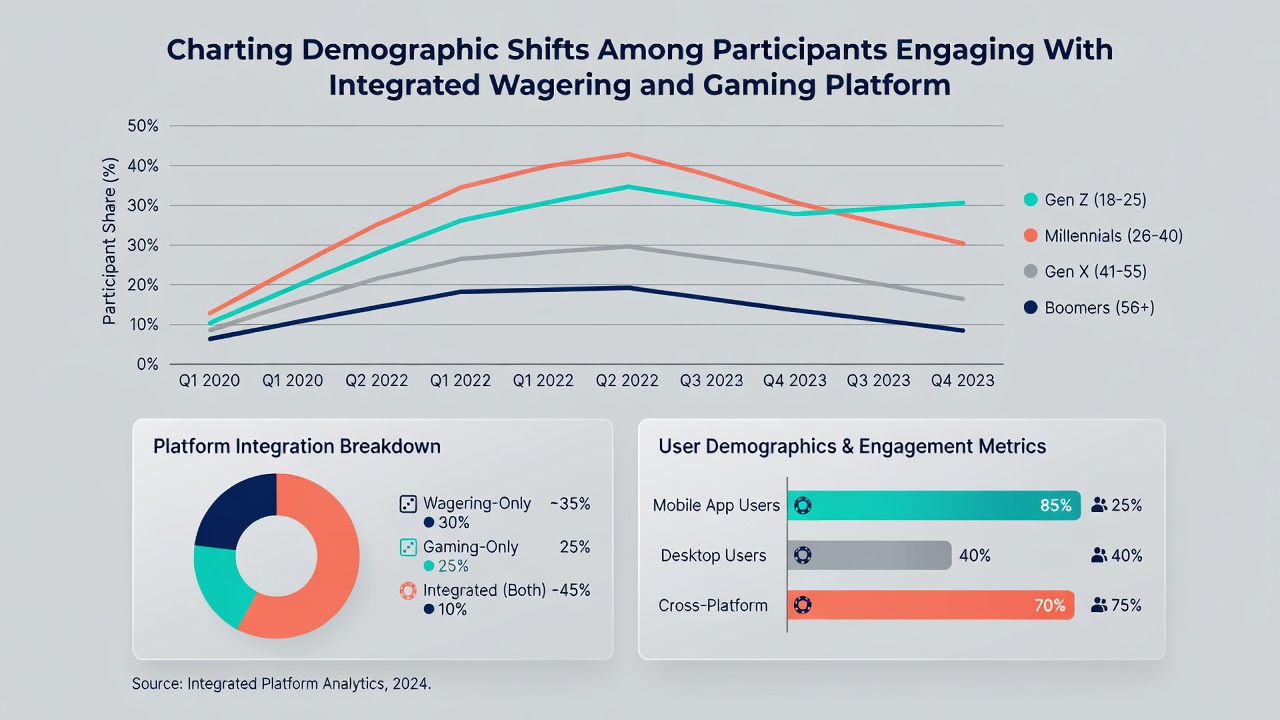
Income levels among participants show distinct clusters, because lower to middle income users gravitate toward free-to-play entry points and bonus structures that reduce initial deposits, while higher earners concentrate activity in high-stakes live dealer sections. Regional data indicates stronger engagement in urban centers like London and Manchester, where faster internet supports real-time betting integration, compared with rural areas where participation leans more toward scheduled sports events. Those who've analyzed post code level statistics note a 15 percent uptick in northern England accounts since 2024, attributed partly to targeted marketing around major football seasons.
Education backgrounds also factor into these shifts, as participants holding university degrees tend to research odds and game mechanics more thoroughly before committing funds. Platform operators respond by providing transparent payout histories and educational tools that appeal to this informed group without altering core offerings for casual users.
Behavioral Influences and Platform Integration
Integrated features such as unified wallets and cross-game loyalty programs accelerate demographic mixing, because a user who begins with slots can easily transition into betting without creating new profiles. Evidence suggests this convenience draws in individuals previously deterred by fragmented site experiences, particularly working parents who value quick sessions. As of June 2026, operators report that over half of all activity now occurs on mobile devices, amplifying access for demographics less likely to use desktop computers for entertainment.
External factors like economic conditions influence these trends too, with researchers observing temporary dips during cost of living pressures that affect discretionary spending across income groups. Yet recovery patterns show younger and female cohorts rebounding faster once incentives align with their preferences for varied game types under one login.
Conclusion
Overall patterns point to sustained diversification in who uses Britain's integrated wagering platforms, shaped by technology, marketing, and evolving leisure habits rather than any single policy change. Continued monitoring through operator reports and independent studies will clarify whether these shifts stabilize or accelerate further into the decade, providing clearer pictures of participant bases that now span wider ages, genders, and regions than seen in earlier periods.